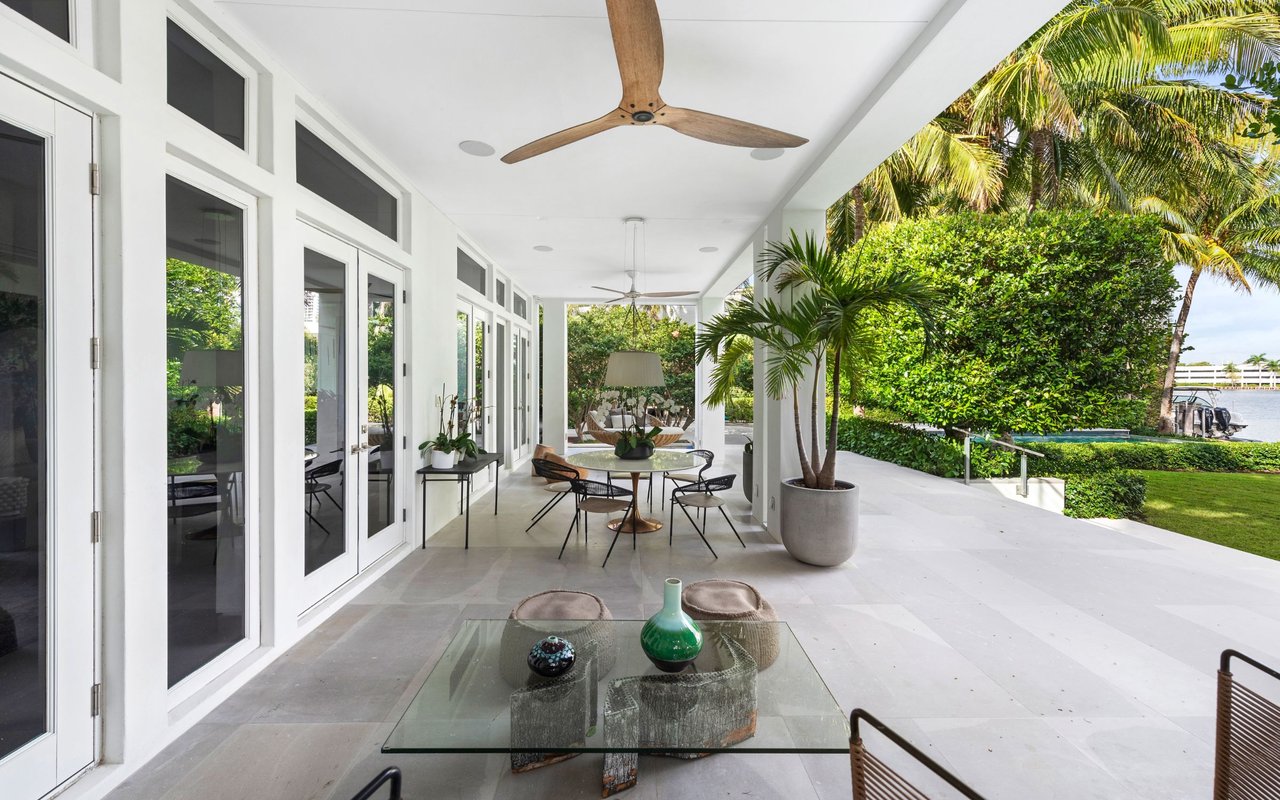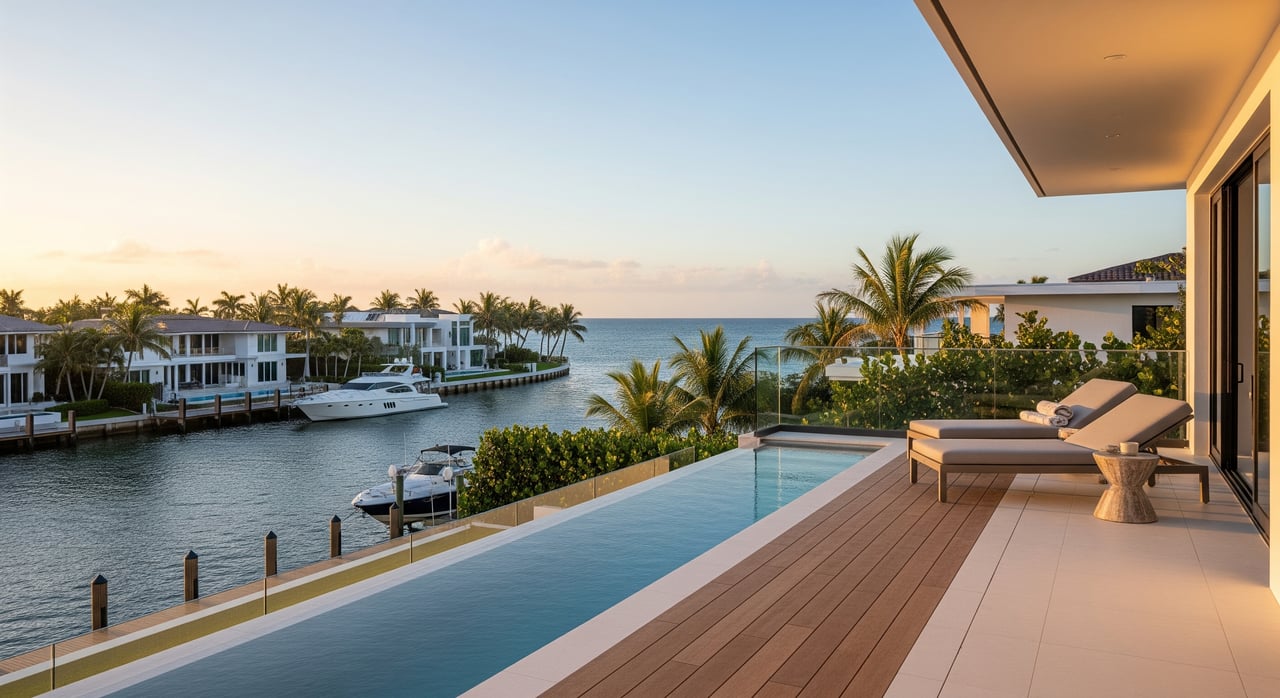
What makes one Golden Beach waterfront home command a multimillion-dollar premium over another just a few blocks away? In a town where most properties touch water, the type of shoreline matters. You may be choosing between the drama of open Atlantic views and the daily utility of a deep-water dock. Each delivers a different lifestyle and a different price story.
In this guide, you’ll learn how oceanfront and canal homes in Golden Beach are valued, which features drive premiums, how carrying costs and insurance differ, and practical steps to buy or sell with confidence. Let’s dive in.
Oceanfront vs canal in Golden Beach
Golden Beach is a small, affluent ocean-to-Intracoastal town with tightly limited inventory. Most homes front either the Atlantic Ocean or the canals/Intracoastal corridor. That simple difference sets the stage for pricing.
- Oceanfront means direct beach access and unobstructed Atlantic views. Expect stronger lifestyle appeal and scarcity-driven premiums.
- Canal or Intracoastal-front means navigable water access with calmer conditions suitable for docks, lifts, and larger boating infrastructure.
Both are luxury products. The premium depends on lot characteristics, amenities, risk, and the specific buyer pool active at the time.
Who chooses which, and why
Different buyers value different parts of the waterfront lifestyle. Knowing the typical motivations helps you price or shop strategically.
- Oceanfront buyers often prioritize beach access, sunrise views, and the prestige of a true beachfront address. The emotional value of the ocean can drive decisive offers.
- Canal or Intracoastal buyers usually prioritize boat access and protected waters for docking, water sports, or larger vessels. Functionality and dock capacity matter.
- Investors and second-home buyers tend to weigh maintenance, insurance, and local rental rules alongside lifestyle.
- High-net-worth primary residents focus on privacy, quality of construction, and long-term resilience to storms and sea-level rise.
What drives price differences
Several factors tend to have the greatest impact. Understanding each helps you compare homes across the beach and the bayfront logically.
Location and exposure
Exposure shapes daily experience and long-term value. True ocean frontage is rare and visually spectacular, but it faces greater wind and salt exposure. Canal and Intracoastal frontage offers calmer water and practical boating access. View corridors, privacy, and noise also influence value.
Lot size and waterfront footage
Waterfront is measured in linear feet and usable land area. Wider oceanfront lots often command a premium because they feel more private and enable more expansive designs. On canals, the width and depth that support dockage and maneuvering space are essential. Frontage and usable outdoor area matter on both sides.
Amenities that move the needle
- Oceanfront: Private beach access and beach width add value. The sense of openness and the ability to step onto the sand are powerful.
- Canal/Intracoastal: Dock capacity, boat lift size, seawall condition, and legal permitting status are major value points. Deep-water access and ease of navigation elevate pricing.
Risk and resilience features
Elevation, flood-zone designation, and storm-hardening all influence value. Higher finished floor elevations, robust seawalls, and resilient features can reduce long-term costs and increase buyer confidence. Properties that require elevation or extensive mitigation typically face price pressure.
Construction quality and permits
Age, materials, and hurricane-ready features such as impact-rated windows, reinforced roofs, and concrete pilings matter for both price and insurability. Permitted improvements and documented compliance reduce risk and support higher values.
How to compare values like an appraiser
To make apples-to-apples comparisons, use a structured approach. You want to separate lifestyle preferences from measurable value drivers.
Build accurate comps by subtype
Start by comparing oceanfront to oceanfront and canal to canal whenever possible. Cross-type comparisons can be done, but require careful, transparent adjustments for orientation, amenities, and risk.
Make key adjustments
When comparing an oceanfront property to a canal property, consider adjustments for:
- Waterfront orientation premium for ocean views and direct beach access versus dock access and protected waters.
- Dock and seawall quality and capacity where canal homes may exceed oceanfront functionality.
- Lot frontage and overall lot area on the water side.
- Elevation, flood-zone designation, and resilience features.
- Privacy, views, wind exposure, and any noise considerations.
- Usable outdoor living area, such as private beach versus yard, pool deck, or dock space.
Quantify adjustments using local paired sales and recent listings. Document every change and be consistent about methodology.
Document and verify
Keep a clean file of permits, elevation certificates, seawall inspections, and any marine contractor reports. Verified documentation can shorten negotiations and anchor value during appraisal.
Carrying costs and risk
Carrying costs can influence both what you offer and what you accept. Buyers incorporate insurance and maintenance into total cost of ownership.
Insurance basics
- Flood insurance: Both oceanfront and canal properties rely on NFIP or private policies. Oceanfront exposure often increases premiums due to wave action and elevation requirements.
- Windstorm and hurricane coverage: Coastal homes may see higher premiums and varying carrier availability. Strong construction and mitigation features can improve insurability.
- Market volatility: Insurance availability and pricing shift over time. Obtain quotes early so you can price or negotiate with accuracy.
Maintenance and resilience upgrades
Coastal homes face salt, wind, and water exposure. Common cost centers include seawall upgrades, dock repairs, impact windows, roof reinforcements, and elevation of mechanical systems. The need for resilience improvements can become a negotiation lever.
Financing and appraisal considerations
Appraisers weigh waterfront premiums, replacement cost, and competitive sales. Lenders may require higher reserves or down payments in higher-risk flood zones or where insurance is limited. Cash and international buyers are both common in luxury coastal markets and can shorten timelines and reduce contingency risk.
Buyer playbook: what to check first
If you are shopping oceanfront or canal, focus on structure, shoreline, and insurability before you fall in love with the view.
Inspection checklist
- Structural systems: foundation, pilings, roof condition, and impact-rated openings.
- Shoreline: seawall integrity, dock permits, lift capacity, and evidence of settlement or spalling.
- Elevation and drainage: finished floor height, flood vents, and drainage patterns across the lot.
- Mechanical placement: location and elevation of HVAC and electrical systems relative to potential flood exposure.
- Compliance: verify building permits, final inspections, and any variance approvals.
Insurance and financing prep
- Obtain preliminary flood and windstorm quotes based on the property’s elevation, construction, and claim history.
- Ask your lender about underwriting for the specific flood zone and any reserve or down payment requirements.
- Order an elevation certificate if one is not available so quotes and appraisals can reflect accurate data.
Seller playbook: how to defend your price
Sellers who prepare well can justify a premium and avoid last-minute concessions.
Prep your property and file
- Assemble permits, elevation certificates, and any seawall or dock inspection reports.
- Highlight hurricane-ready features such as impact glass, reinforced roofing, and generator capacity.
- Present waterfront amenities clearly. For oceanfront, emphasize private beach access and privacy. For canal, detail dock length, lift capacity, and depth at mean low water.
Pricing strategy and negotiation levers
- Use subtype comps first, then apply clear adjustments when referencing cross-type sales.
- Disclose known issues and offer focused concessions if needed, such as credits for seawall repair or resilience upgrades.
- Anticipate buyer diligence on insurance. Having quotes available can keep your deal on track and prevent re-trading late in the process.
Where to find reliable local data
To ground your pricing with facts, pull recent local records and consult official sources:
- Miami-Dade County Property Appraiser for sales history and assessed values.
- Miami-Dade County official records and permit databases for building and shoreline permits.
- Local MLS data for active, pending, and sold comps, including days on market by subtype.
- Golden Beach municipal offices for zoning, setbacks, architectural review, and shoreline rules.
- FEMA Flood Map Service Center for flood zones and base flood elevations.
- Florida Building Code and Miami-Dade County building guidance for coastal construction standards.
- Local insurance brokers for current flood and windstorm quotes and availability.
Putting it all together
In Golden Beach, both oceanfront and canal homes are luxury assets with distinct value stories. Oceanfront often commands a premium driven by scarcity, direct beach access, and expansive views. Canal and Intracoastal properties can compete when they offer superior dockage, protected water, and strong resilience features. The right choice depends on how you want to live and how you plan to manage risk and cost over time.
If you want discreet, founder-level guidance backed by data and access to creative capital solutions, reach out to The Baron Agency. We combine hands-on advisory with fast, flexible financing options to help you secure the right waterfront property with confidence.
FAQs
Do oceanfront homes always sell for more in Golden Beach?
- Generally oceanfront commands a premium due to direct beach access and views, but exceptional canal properties with superior docks and features can outprice lesser oceanfront lots.
How big is the price difference between oceanfront and canal homes?
- It varies with inventory and demand. Use recent local comps and adjust for frontage, elevation, amenities, and condition to estimate the current premium.
How do insurance costs differ for oceanfront versus canal homes?
- Premiums depend on flood zone, elevation, construction, and resilience features. Ocean exposure often raises costs, so obtain quotes early for accurate comparisons.
What inspections are critical for Golden Beach waterfront homes?
- Prioritize structural systems, seawall and dock condition, permits, roof and impact openings, elevation of mechanicals, and thorough disclosure reviews.
Do lenders underwrite oceanfront and canal properties differently?
- Lenders closely review flood risk and insurability. Some require higher reserves or down payments for properties in higher-risk zones or with limited insurance options.